Is Professional Teeth Whitening Safe for Your Enamel and Gums?
Many Glendale patients ask the same question before scheduling a whitening appointment: Is professional teeth whitening safe for your enamel and gums? It is a fair concern. Your teeth and gums are sensitive structures. You want a brighter smile without causing long-term damage. The good news is that professionally supervised whitening is considered safe for most healthy adults. However, understanding how it works helps you make a confident, informed decision.
How Professional Teeth Whitening Works on Enamel
Professional whitening uses peroxide-based gels to break apart stain molecules inside your enamel. The active ingredient is typically hydrogen peroxide or carbamide peroxide. These compounds penetrate the enamel surface and oxidize discolored compounds beneath it. The enamel itself is not dissolved or stripped away during this process.
Studies consistently show that professional-strength whitening does not permanently weaken enamel structure. Some patients experience temporary enamel softening during treatment. This effect reverses within a few days as saliva remineralizes the tooth surface. Using fluoride products after whitening supports this recovery process.
It is important to separate fact from myth here. Over-the-counter strips use lower peroxide concentrations. In-office treatments at practices like Singh Smile Care use controlled, higher-concentration gels applied by trained professionals. That professional oversight makes a significant difference in both safety and results. Patients in Glendale benefit from having a dentist monitor every stage of the process.
Is Professional Teeth Whitening Safe for Gums and Soft Tissue?
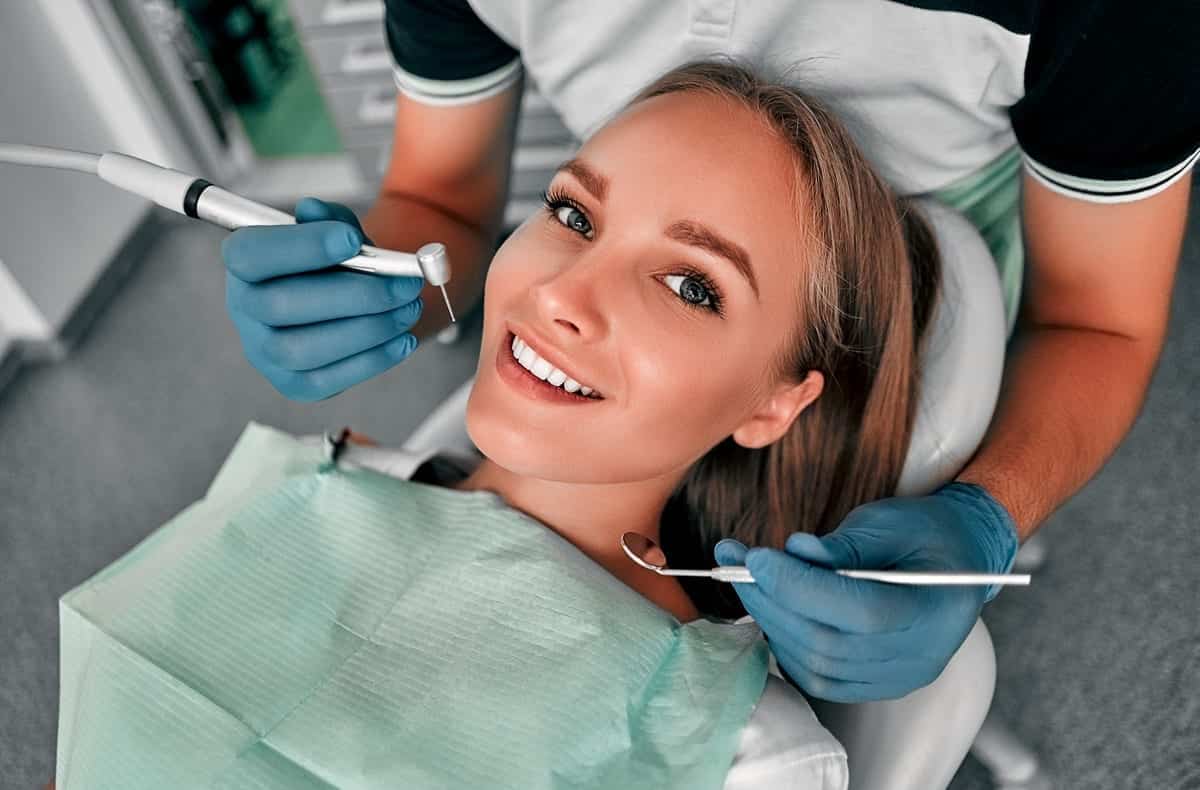
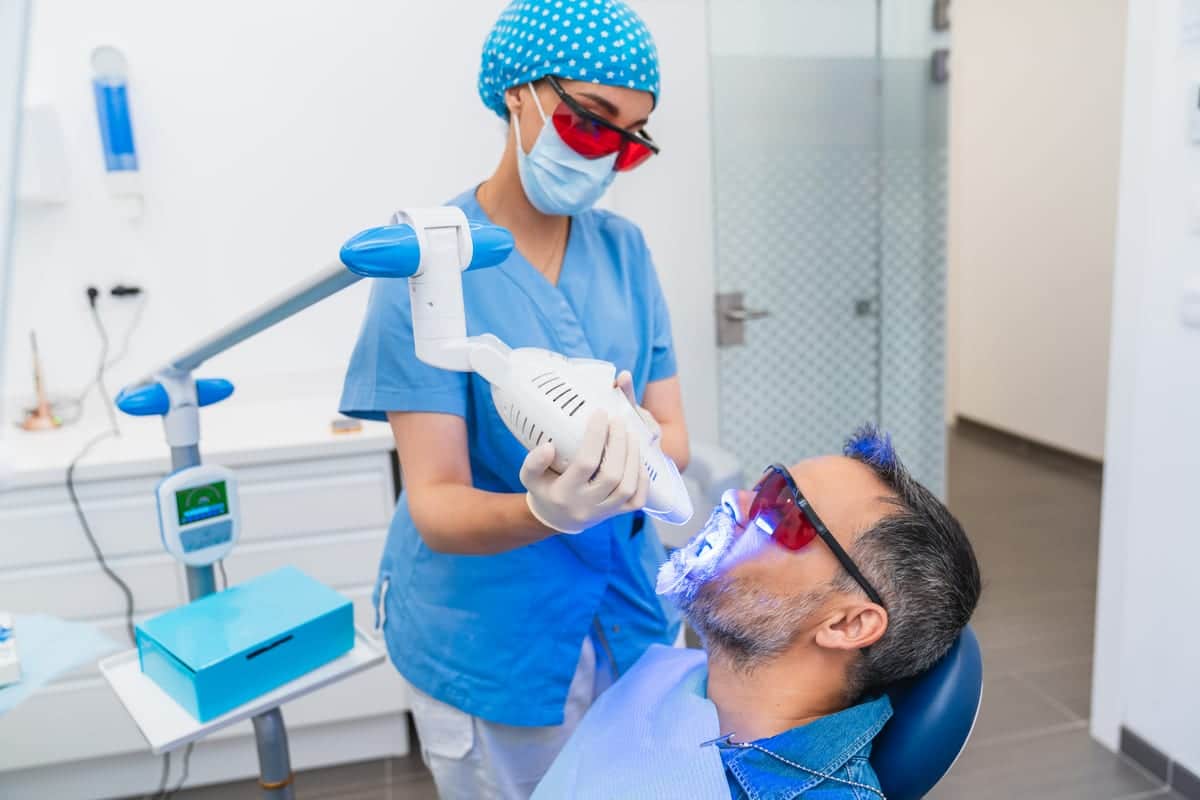
Gum sensitivity is one of the most common concerns patients raise. Whitening gels can irritate soft tissue if they contact the gums directly. This is why professional application is safer than unsupervised at-home use. A dentist carefully applies protective barriers to shield your gum tissue before treatment begins.
At Singh Smile Care, Dr. Jupneesh Singh uses precise application techniques to minimize gel contact with soft tissue. Any mild gum irritation that does occur typically resolves within 24 to 48 hours. It does not signal permanent damage. Patients with healthy gums generally tolerate professional whitening very well.
Here are common soft-tissue safety measures used during professional whitening sessions:
- Rubber dams or protective resin barriers placed along the gumline
- Careful gel application limited to tooth surfaces only
- Shorter treatment intervals to reduce cumulative exposure
- Post-treatment rinses to neutralize residual peroxide
- Follow-up guidance for sensitivity management at home
Who Should Avoid or Delay Teeth Whitening?
Professional whitening is not appropriate for every patient. Certain conditions make it less safe or less effective. Knowing who should wait helps Glendale patients set realistic expectations before booking treatment. A thorough dental exam always comes first at Singh Smile Care.
Patients who should avoid or delay whitening include those with:
- Active tooth decay or untreated cavities
- Cracked enamel or exposed dentin
- Gum disease or active periodontal infection
- Extremely sensitive teeth that have not responded to desensitizing treatments
- Dental restorations on front teeth, such as crowns or veneers, which do not whiten
- Pregnancy or breastfeeding, as a precautionary measure
- Known allergies to peroxide-based compounds
Children and teenagers under 16 should also avoid whitening. Their pulp chambers are larger and more reactive. Whitening gel can cause greater sensitivity and discomfort in younger patients. Dr. Singh will identify any of these factors during your consultation and recommend the right timing for treatment.
If you have existing Dental Restorations Glendale patients should know that crowns, veneers, and bonding materials do not change color with whitening agents. Whitening only affects natural tooth enamel. Mismatched shades between restored and natural teeth can result if you whiten without planning ahead. Always discuss your full dental history before starting any whitening program.
Managing Sensitivity During and After Whitening
Tooth sensitivity is the most commonly reported side effect of whitening. It typically appears during treatment or within the first 24 hours afterward. The sensation usually feels like brief, sharp twinges when teeth contact cold air or liquids. This type of sensitivity is temporary and manageable.
Several strategies help reduce sensitivity during whitening treatment:
- Using a desensitizing toothpaste for two weeks before treatment begins
- Applying fluoride gel after each whitening session
- Taking short breaks between sessions rather than whitening multiple days in a row
- Avoiding very cold or hot foods immediately after treatment
- Choosing a lower-concentration gel with longer application time if you have naturally sensitive teeth
Patients with a history of sensitivity should mention it during their consultation. Dr. Singh adjusts treatment protocols based on individual needs. The goal is always a comfortable experience alongside excellent cosmetic results.
What Makes Professional Whitening Safer Than Store-Bought Options?
Drugstore whitening products are widely available and appealing because of their low cost. However, they carry risks that professional treatment avoids. Many over-the-counter kits use one-size-fits-all trays that allow gel to leak onto gums. Without a proper fit, soft tissue irritation becomes much more likely.
Professional treatments begin with a comprehensive oral exam. Cavities, gum problems, and enamel issues are identified and treated first. This preparation step simply does not happen with store-bought kits. Skipping it can turn a cosmetic treatment into a painful experience.
There are several reasons why in-office whitening at Singh Smile Care stands apart from at-home alternatives. To learn more about related Dental Procedures Glendale patients can explore at our practice, we offer a full range of services tailored to your needs. Professional-grade results combined with clinical supervision provide both safety and confidence throughout the process.
Conclusion: Whitening Can Be Safe With the Right Guidance
Professional teeth whitening is a well-researched cosmetic treatment with an established safety record. For healthy patients in Glendale, it poses minimal risk when performed under dental supervision. Enamel is not permanently harmed. Gum sensitivity is controlled through careful technique. And candidacy screening ensures only appropriate patients proceed with treatment.
Dr. Jupneesh Singh and the team at Singh Smile Care take a patient-first approach to every cosmetic service. Your oral health always comes before aesthetics. A consultation gives you personalized answers based on your unique dental profile. Book Now to schedule your appointment with our team.
Frequently Asked Questions
Does professional teeth whitening damage enamel permanently?
No. Research shows that professional whitening does not cause permanent enamel damage. Some patients experience temporary softening of the enamel surface during treatment. Saliva naturally remineralizes teeth within a few days, restoring enamel strength. Using fluoride products after whitening supports this recovery.
How long does teeth whitening sensitivity last?
Sensitivity after professional whitening typically lasts 24 to 48 hours. It is described as brief, sharp twinges rather than constant pain. Using desensitizing toothpaste before and after treatment helps reduce this effect. Most patients find the sensitivity mild and manageable.
Can I whiten my teeth if I have crowns or veneers?
Whitening agents only affect natural tooth enamel. Crowns, veneers, and dental bonding do not respond to peroxide-based gels. If you have visible restorations on front teeth, whitening may create a color mismatch. Dr. Singh can help you plan a cosmetic approach that produces an even, consistent result.
Is professional whitening safe during pregnancy?
Most dental professionals recommend avoiding teeth whitening during pregnancy as a precautionary measure. The safety of swallowed or absorbed peroxide compounds has not been fully studied in pregnant patients. It is best to wait until after delivery and breastfeeding before pursuing whitening treatment.
How often can I safely whiten my teeth?
Most patients can safely undergo professional whitening once or twice per year. Whitening too frequently can lead to increased sensitivity and enamel fatigue over time. Your dentist will recommend a schedule based on your baseline tooth shade, sensitivity levels, and oral health. Touch-up treatments at home between in-office sessions can help maintain your results safely.