Crowns vs. Veneers in Peoria, AZ | Singh Smile Care
Patients across Peoria often ask the same question: why did my dentist recommend a crown instead of a veneer, or the other way around? Understanding crowns vs. veneers — when your dentist chooses one over the other in Peoria — helps you feel confident about your treatment plan. Both options restore and enhance your smile. However, the clinical reasons behind each choice are very different. Dr. Jupneesh Singh at Singh Smile Care in Glendale, AZ helps patients in the greater Peoria area understand exactly why one restoration fits better than another.
What Makes Crowns and Veneers Different?
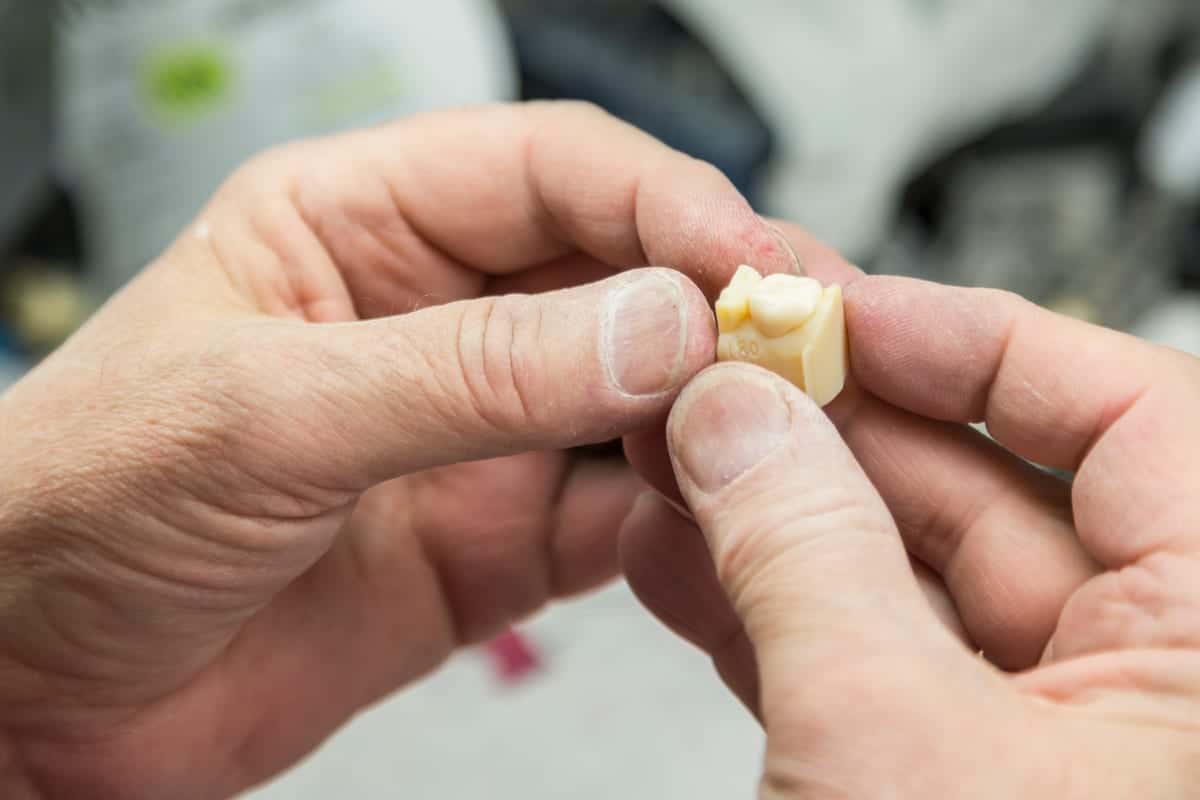
A dental crown is a full cap that surrounds the entire visible portion of a tooth. It protects the tooth from all sides. A veneer is a thin shell bonded only to the front surface of a tooth. It improves appearance without covering the whole tooth.
Both are considered Dental Restorations, but they serve different clinical purposes. Crowns protect damaged or weakened teeth. Veneers primarily address cosmetic concerns on otherwise healthy teeth. This distinction is the foundation of every treatment decision your dentist makes.
The amount of natural tooth structure involved also differs greatly. Veneers require minimal enamel removal — usually less than one millimeter. Crowns require shaping the entire tooth down to fit the cap. This is a significant clinical difference that guides the choice.
When Your Dentist in Peoria Chooses a Crown
Crowns become necessary when a tooth has structural problems that a veneer simply cannot fix. Your dentist evaluates the tooth’s strength, integrity, and function before recommending either option. A veneer cannot restore a broken or cracked tooth back to full strength.
Dr. Singh recommends crowns for Peoria patients in these situations:
- A tooth has a large cavity that weakens the structure
- The tooth is cracked or fractured below the gumline
- A root canal has been performed, leaving the tooth brittle
- Significant portions of the tooth are already missing
- The tooth needs to anchor a dental bridge
- Excessive grinding has worn the tooth down severely
In each of these cases, the tooth needs full coverage and protection. A veneer placed over a compromised tooth would likely fail. The crown restores both the form and the function of the tooth together.
Many of these situations involve broader Dental Procedures like root canal therapy or implant placement. Crowns often work as the final restoration step in those more complex treatment plans.
When Your Dentist in Peoria Chooses a Veneer
Veneers are the right choice when a tooth is structurally sound but cosmetically imperfect. The tooth must have enough healthy enamel to bond to. If the underlying tooth is strong and functional, a veneer is the more conservative option.
Veneers work especially well for Peoria patients dealing with:
- Permanent staining that teeth whitening cannot resolve
- Slightly chipped or uneven tooth edges
- Minor gaps between front teeth
- Teeth that are naturally small or misshapen
- Teeth with surface cracks that are cosmetic, not structural
The key word here is cosmetic. When the tooth functions normally and just needs an appearance upgrade, veneers deliver dramatic results with minimal tooth preparation. Preserving natural tooth structure is always a priority in modern dentistry.
Veneers also make sense when a patient wants to improve multiple front teeth at once. They create a consistent, natural-looking smile across several teeth. Crowns on multiple healthy teeth would be unnecessarily aggressive treatment.
The Clinical Decision: What Your Dentist Actually Evaluates
Your dentist does not choose between crowns and veneers based on aesthetics alone. The decision starts with a clinical examination and often includes X-rays. Several specific factors guide the recommendation.
Here is what Dr. Singh assesses for every Peoria patient before recommending a restoration:
- Tooth structure remaining: How much healthy tooth exists after removing decay or damage?
- Bite and chewing forces: Does the tooth absorb heavy biting pressure?
- Enamel availability: Is there enough enamel for a veneer to bond securely?
- Gum health: Are the surrounding tissues healthy enough to support either restoration?
- Long-term prognosis: Which restoration will last longer given the specific tooth condition?
Molars almost always receive crowns rather than veneers. They absorb tremendous chewing forces. Veneers are not designed to handle that kind of stress and would fracture quickly on a back tooth.
Front teeth with mild cosmetic issues are ideal veneer candidates. However, if a front tooth has deep decay or has undergone a root canal, a crown becomes the clinically correct choice — even for a visible front tooth.
Can You Request One Over the Other?
Patients sometimes come in with a preference already in mind. This is completely understandable. Veneers often appeal to patients because they preserve more natural tooth structure. That preference is clinically reasonable when the tooth qualifies.
However, requesting a veneer on a structurally compromised tooth creates real risk. The veneer may debond, crack, or fail entirely within a short time. This results in more treatment and more expense in the long run.
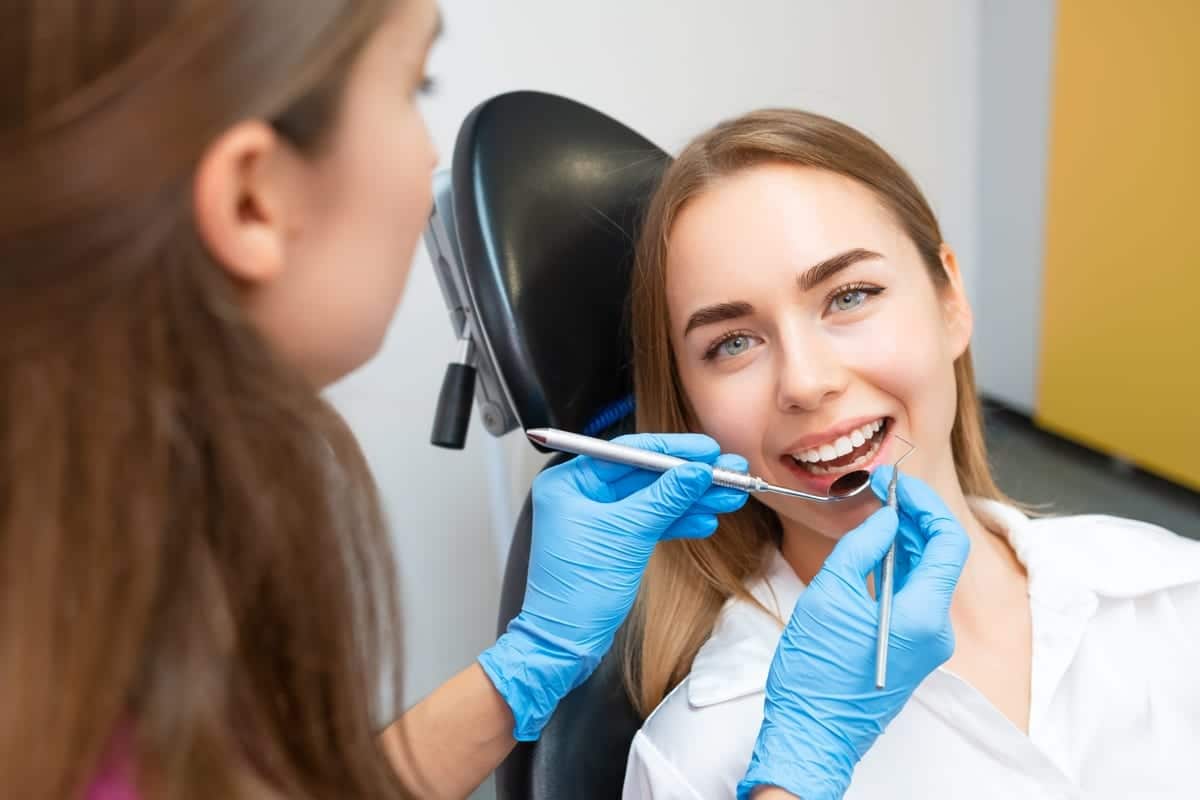
Dr. Singh always takes time to explain the reasoning behind every recommendation. If a crown is the right clinical choice, he will show you why using X-rays and a direct examination. Informed patients make better decisions about their own care. Your input and comfort always matter in that conversation.
Crowns vs. Veneers: Making the Right Choice for Peoria Patients
The bottom line is straightforward. Your dentist chooses a crown when the tooth needs protection and structural support. Your dentist chooses a veneer when the tooth is healthy and the goal is cosmetic improvement. Clinical need always drives the recommendation — not cost, not preference alone, not convenience.
At Singh Smile Care, patients in Peoria and the surrounding Glendale area receive thorough evaluations before any restoration is planned. Dr. Singh prioritizes conservative treatment whenever the tooth’s health allows it. When a crown is truly necessary, he makes sure you understand exactly why.
If you have questions about your own teeth, a consultation is the best next step. Book Now to schedule your appointment with our team.
Frequently Asked Questions
Is a veneer or a crown more expensive?
Costs vary based on materials, the tooth involved, and the complexity of the case. Crowns generally cost more because they cover the entire tooth and require more material. However, placing the wrong restoration can lead to failure and additional treatment costs. The right restoration the first time is always the more economical choice long term.
How long do crowns and veneers last?
Well-maintained dental crowns typically last 10 to 15 years or longer. Porcelain veneers generally last 10 to 20 years with proper care. Daily brushing, flossing, and regular dental visits extend the life of both restorations significantly. Avoiding habits like nail-biting or chewing ice also protects them.
Can a veneer be placed over a tooth that had a root canal?
Usually not. Root canal-treated teeth become more brittle over time because they no longer have a live pulp supplying nutrients. A veneer does not provide the structural reinforcement these teeth need. A crown is almost always the correct choice after root canal treatment to protect the tooth from fracture.
Will either option look natural?
Both modern crowns and veneers are designed to match your natural tooth color and shape. Porcelain and ceramic materials closely mimic the light-reflecting properties of real enamel. Dr. Singh uses high-quality materials and works carefully to match surrounding teeth. Most patients find it impossible to distinguish the restoration from natural teeth.
Do I need to replace my crown or veneer eventually?
Yes, both restorations are durable but not permanent. They can chip, wear down, or loosen over time. Your dentist checks the condition of existing restorations at every routine exam. Catching early signs of wear allows for timely replacement before the underlying tooth is affected.