
Chips, Gaps, or Stains? Your Guide to the Right Cosmetic Fix
Not every smile concern needs the same solution. A chipped front tooth is a very different problem from stubborn coffee stains or a gap between your teeth. If you live in Glendale and feel unsure which cosmetic treatment fits your situation, you are not alone. This guide walks you through the most common concerns — chips, gaps, stains, and worn edges — and matches each one to the right fix. Whether you are exploring Dental Restorations Glendale or considering a simple whitening session, knowing your options helps you make a confident choice.
Understanding Your Smile Concern: Chips, Gaps, or Stains in Glendale
Before choosing a treatment, it helps to name your concern clearly. Cosmetic dental issues generally fall into four categories: chips or cracks, gaps between teeth, surface staining, and worn or uneven edges. Each one responds best to a specific approach. Matching the right fix to the right problem saves you time, money, and unnecessary procedures.
Here is a quick breakdown of the most common concerns patients bring to Singh Smile Care:
- Chips or fractures — visible breaks in the tooth surface
- Gaps — spaces between teeth, often at the front
- Staining — discoloration from food, drinks, or aging
- Worn edges — teeth that look shorter or uneven over time
Once you identify your concern, Dr. Jupneesh Singh can recommend the most effective and minimally invasive path forward. Let us look at each one in detail.
The Right Fix for Chips and Minor Fractures
A chipped tooth is one of the most common reasons patients visit a cosmetic dentist. The good news is that small chips are usually straightforward to repair. The treatment depends on the chip size and location.
Dental bonding is the most common fix for minor chips. A tooth-colored resin is shaped directly onto the tooth and hardened with a curing light. The entire process often takes under an hour. It is ideal for small chips on front teeth that are not under heavy biting pressure.
For larger chips or teeth that need more structural support, a dental crown or veneer may be the better choice. Veneers cover the entire front surface of the tooth. They offer a more durable and polished result for patients who want a long-term solution. Crowns protect the full tooth when the chip involves significant structure loss.
If the chip has exposed the inner pulp, a root canal may be needed before any cosmetic work. Dr. Singh will assess the damage thoroughly before recommending any next step. You can explore the full range of Dental Procedures Glendale patients rely on at Singh Smile Care.
Closing Gaps: Which Treatment Works Best?
Gaps between teeth — called diastemas — are common and treatable. The right fix depends on the gap size and the surrounding teeth. Smaller gaps respond well to cosmetic bonding. Larger gaps may need veneers or orthodontic treatment.
Here is how gap treatments compare:
- Bonding — best for small gaps, quick application, no tooth removal required
- Veneers — ideal for moderate gaps, covers imperfections, longer-lasting result
- Orthodontics — suitable for larger gaps, moves teeth into proper alignment over time
Veneers are a popular choice for gap closure in Glendale. They widen the visible surface of adjacent teeth to fill the space naturally. Dr. Singh designs them to blend seamlessly with your surrounding teeth. The result looks natural rather than obviously corrected.
Bonding works well for patients who want a fast, affordable fix without altering the tooth structure much. It is reversible in the sense that no enamel removal is required. However, it may not last as long as veneers under heavy biting force.
Treating Stains: When Whitening Works and When It Does Not
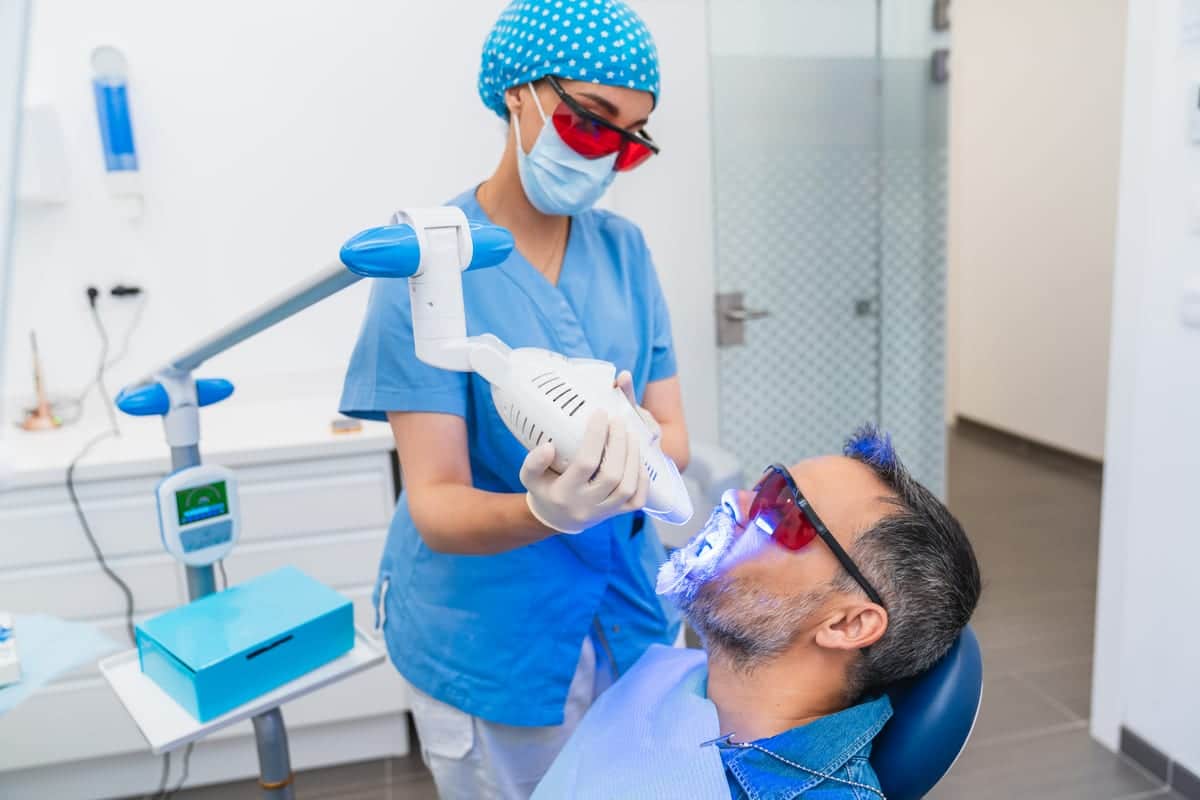
Surface stains from coffee, tea, wine, or tobacco respond well to professional whitening. Dr. Singh offers in-office whitening that delivers noticeable results in a single visit. Take-home whitening trays are also available for gradual brightening over several weeks.
However, not all stains respond to whitening. Intrinsic staining — which comes from inside the tooth — does not lift with bleaching agents. This type includes staining from certain medications, fluorosis, or trauma. In these cases, veneers or bonding offer a more reliable cosmetic solution.
Here are signs that whitening may not be enough:
- Stains appear grey, brown, or have a patchy pattern
- The discoloration is only on one or two teeth
- Previous whitening treatments showed little improvement
- The teeth have existing crowns or large fillings in the visible zone
During your consultation, Dr. Singh will evaluate the type and depth of your staining. That assessment guides the treatment recommendation. The goal is always the most effective result with the least intervention needed.
Fixing Worn or Uneven Edges
Teeth wear down naturally over time. Grinding, acid erosion, or simply aging can leave edges looking shorter, jagged, or uneven. This type of concern often affects the overall harmony of the smile more than any single tooth.
Dental contouring is a minimally invasive option for mild unevenness. The dentist gently reshapes the enamel to smooth rough edges or correct slight irregularities. It requires no anesthesia in most cases and delivers immediate results. Contouring works best when the concern is subtle.
For more significant wear, veneers or full-mouth restoration may be appropriate. Veneers rebuild the front surface of multiple teeth at once. Full-mouth restoration combines multiple treatments — such as crowns, implants, and veneers — to restore both function and appearance. Dr. Singh at Singh Smile Care creates individualized plans based on the degree of wear and the patient’s goals.
How Dr. Singh Helps You Choose the Right Path
Choosing between options can feel overwhelming. That is why a thorough cosmetic consultation matters so much. Dr. Jupneesh Singh takes time to understand what bothers you most about your smile. He uses that information alongside a clinical examination to build a personalized treatment plan.
No two smiles are identical. A treatment that works perfectly for one patient may not suit another — even with the same concern. Dr. Singh explains each option clearly, including what to expect, how long results last, and how each procedure feels. Patients in Glendale leave consultations feeling informed and confident rather than pressured.
Singh Smile Care also offers same-day dentistry for patients who need faster solutions. Chipped teeth, urgent cosmetic concerns, and time-sensitive fixes can often be addressed in a single appointment. The practice is designed to make quality cosmetic care accessible without long waits or multiple visits.
Conclusion: Your Smile Deserves a Custom Solution
Chips, gaps, stains, and worn edges are all very different problems. They each respond best to specific treatments — and the right match makes all the difference in your result. Dr. Jupneesh Singh and the team at Singh Smile Care in Glendale are here to guide you through every option. Book Now to schedule your appointment with our team.
Frequently Asked Questions
How do I know if I need veneers or just whitening?
Whitening works well for surface stains caused by food, drinks, or tobacco. If your discoloration is inside the tooth, or if you also have chips or gaps to correct, veneers are usually the more effective choice. Dr. Singh can evaluate your specific staining type during a consultation and recommend the most suitable option.
Is dental bonding a permanent fix for chips?
Bonding is durable but not permanent. It typically lasts between five and ten years with proper care. It can chip or stain over time, especially if you bite on hard foods or grind your teeth. It is a great option for smaller repairs where a conservative, reversible approach is preferred.
Can I close a gap without braces or aligners?
Yes, smaller gaps can often be closed using cosmetic bonding or veneers without any orthodontic treatment. Bonding adds material to the sides of adjacent teeth to reduce the visible space. For larger gaps, Dr. Singh may recommend a combination approach or orthodontic referral for the best long-term outcome.
What causes teeth to look worn or shorter over time?
Teeth can wear down from grinding — a condition called bruxism — as well as from acidic foods and drinks, aging, or certain medical conditions. The enamel gradually thins, making edges appear jagged or teeth look shorter. Treatment depends on the severity and may include contouring, veneers, or a night guard to prevent further damage.
How long does a cosmetic consultation take at Singh Smile Care?
Most cosmetic consultations at Singh Smile Care take between thirty and sixty minutes. Dr. Singh will examine your teeth, discuss your goals, and walk you through your treatment options. You will leave with a clear understanding of your choices and a plan that fits your timeline and comfort level.